Knee Braces for Pain and Stability

Knee Braces for Pain and Stability

About Knee Braces for Pain and Stability +

Knee discomfort, instability, or the need for post-injury support can significantly hinder your mobility and impact your quality of life. From the nagging ache of arthritis to the sharp pain of a ligament strain, or the crucial recovery period after surgery, knee issues demand attention and the right kind of support. Similarly, lower leg injuries often require keeping weight off the affected area, presenting challenges for staying mobile.

We recognize the diverse needs associated with knee and leg health. As a dedicated US-based provider, we offer a comprehensive collection ranging from effective knee braces for pain and essential knee braces for support to innovative mobility solutions like knee scooters and specialized positioning aids. This guide will help you understand the various types of knee support brace options and related products available, empowering you to find the appropriate solution recommended by your healthcare professional to manage pain, enhance stability, and facilitate a smoother recovery.

Why Invest in Knee Supports and Mobility Aids?

Utilizing the correct knee support or mobility aid, often under the guidance of a physician or therapist, can provide substantial benefits:

  • Pain Management: Targeted compression and stabilization from a knee supporter can alleviate discomfort associated with arthritis, tendonitis, sprains, and strains.
  • Enhanced Stability: Braces, particularly hinged or rigid designs, provide crucial structural support to unstable knees, helping prevent buckling or re-injury, especially after ligament issues (ACL, MCL, etc.).
  • Injury Prevention: Wearing appropriate support during sports or demanding physical activity can help reduce the risk of strains or sprains.
  • Post-Operative Support: Specific braces immobilize or control the range of motion after surgery, protecting repairs and promoting proper healing.
  • Joint Unloading: Specialized "unloader" braces can shift pressure away from damaged cartilage, offering relief for osteoarthritis sufferers.
  • Improved Confidence: Knowing your knee is supported can boost confidence during movement and activity.
  • Comfort & Alignment: Aids like knee separators improve sleeping posture, potentially reducing back, hip, or knee strain.

Explore TENSnet's Diverse Range of Knee & Leg Solutions

Understanding the different categories can help you find what you need:

1. Knee Braces & Sleeves (Support & Pain Relief):

  • Purpose: Offer varying levels of compression, warmth, and stabilization for pain relief, mild instability, arthritis, tendonitis, and preventative wear.
  • Types Include:
  • Compression Sleeves: Provide warmth, reduce swelling, offer mild support. 
  • Hinged Knee Braces: Offer enhanced stability for ligament issues, moderate instability, or post-op recovery requiring controlled motion. 

2. Knee & Leg Orthoses (Immobilization & Advanced Support):

  • Purpose: Provide significant immobilization or controlled range of motion, often prescribed after surgery or significant injury.
  • Features: May include rigid sidebars, range-of-motion hinges, or full immobilizer designs. These often require professional fitting and prescription.

3. Knee Scooters & Knee Walkers (Non-Weight Bearing Mobility):

  • Purpose: Excellent alternatives to crutches for individuals needing to keep weight off a foot, ankle, or lower leg injury/surgery. Allows for much easier and more comfortable mobility.
  • Features: Wheeled devices with a padded platform to rest the knee of the injured leg, handlebars for steering and balance.

4. Knee Separators & Positioning Aids:

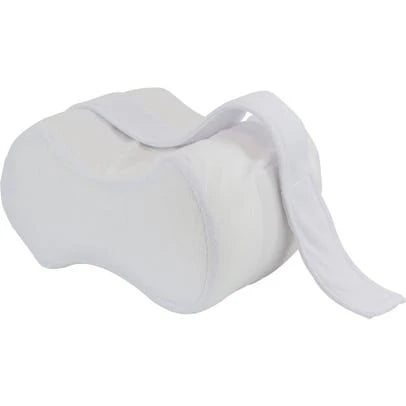
  • Purpose: Primarily used during sleep to maintain proper hip and spinal alignment by placing between the knees, reducing pressure and strain. Beneficial for side sleepers, pregnancy, or those with hip/back pain.
  • Features: Ergonomically shaped pillows made of supportive foam.

Choosing the Right Knee Solution: Guidance is Key

Selecting the appropriate product is vital for effectiveness and safety:

  • Accurate Diagnosis: Always consult your doctor, orthopedic specialist, or physical therapist first. They can determine the exact cause of your knee pain or instability and recommend the most suitable type of knee support brace, mobility aid, or positioning device. Self-diagnosing and treating knee issues can delay proper care.
  • Level of Support/Immobilization: Your diagnosis dictates the required level – from mild compression (sleeve) to rigid stabilization (hinged brace/orthosis) or non-weight bearing (scooter).
  • Activity Level: Consider when you'll use the product – during sports, daily activities, rest, or specifically for non-weight bearing mobility.
  • Proper Fit & Comfort: Especially for braces, accurate sizing is critical. Use manufacturer charts and ensure a snug but comfortable fit that doesn't restrict circulation. For scooters/walkers, ensure height adjustability suits the user.
  • Intended Use: Match the product to its purpose (e.g., don't expect a simple sleeve to provide ligament support).

Your Partner in Knee Health and Mobility: TENSnet

Navigating knee pain, recovery, or mobility challenges requires reliable solutions. We, as your trusted US-based provider, is committed to offering a carefully selected range of quality knee braces for pain, knee braces for support, knee scooters, and other essential aids. Browse our collection to find the specific product recommended by your healthcare provider to help you move better and feel better.

FAQ's +

FAQ's

 What do knee braces actually help with ?

Knee braces offer several benefits depending on their design! They can help reduce pain (from arthritis, strains), provide stability for weak or injured ligaments, prevent injuries during activity, offer compression to reduce swelling, support the knee after surgery, and unload pressure from damaged joint areas. The goal is generally to improve comfort, function, and/or protect the knee during healing.

When should I wear a knee support brace?

This depends entirely on why you need it and your doctor's advice. Some are worn during specific activities (like sports), others might be worn throughout the day for chronic conditions like osteoarthritis. Always follow the wearing instructions provided by your healthcare professional.

Can I wear a knee brace all day?

Many lighter supports like compression sleeves or basic hinged braces can be worn for extended periods if comfortable and recommended by your provider. However, very restrictive braces or immobilizers usually have specific wear times. Comfort and skin health are important – ensure the brace fits well and allows for skin checks if worn long-term. Follow your doctor's guidance on duration.

Should I wear a knee brace while sleeping?

Generally, most standard knee braces (sleeves, hinged braces) are not meant to be worn while sleeping unless specifically instructed by your doctor, often after surgery. They can be uncomfortable and potentially affect circulation. Positioning aids like knee separators, however, are designed for use during sleep to improve alignment.

Do knee braces really help?

Yes, knee braces really help—especially when used correctly. Whether it’s a knee supporter for workouts or a knee support brace for injury recovery, these supports can reduce pain, improve stability, and prevent further damage. Knee braces for pain are commonly recommended for arthritis, sprains, or post-surgery support, helping you move with more confidence and less discomfort. Always choose the right brace type and fit for your needs—and consult a healthcare provider for best results.

Knee discomfort, instability, or the need for post-injury support can significantly hinder your mobility and impact your quality of life. From the nagging ache of arthritis to the sharp pain of a ligament strain, or the crucial recovery period after surgery, knee issues demand attention and the right kind of support. Similarly, lower leg injuries often require keeping weight off the affected area, presenting challenges for staying mobile.

We recognize the diverse needs associated with knee and leg health. As a dedicated US-based provider, we offer a comprehensive collection ranging from effective knee braces for pain and essential knee braces for support to innovative mobility solutions like knee scooters and specialized positioning aids. This guide will help you understand the various types of knee support brace options and related products available, empowering you to find the appropriate solution recommended by your healthcare professional to manage pain, enhance stability, and facilitate a smoother recovery.

Why Invest in Knee Supports and Mobility Aids?

Utilizing the correct knee support or mobility aid, often under the guidance of a physician or therapist, can provide substantial benefits:

  • Pain Management: Targeted compression and stabilization from a knee supporter can alleviate discomfort associated with arthritis, tendonitis, sprains, and strains.
  • Enhanced Stability: Braces, particularly hinged or rigid designs, provide crucial structural support to unstable knees, helping prevent buckling or re-injury, especially after ligament issues (ACL, MCL, etc.).
  • Injury Prevention: Wearing appropriate support during sports or demanding physical activity can help reduce the risk of strains or sprains.
  • Post-Operative Support: Specific braces immobilize or control the range of motion after surgery, protecting repairs and promoting proper healing.
  • Joint Unloading: Specialized "unloader" braces can shift pressure away from damaged cartilage, offering relief for osteoarthritis sufferers.
  • Improved Confidence: Knowing your knee is supported can boost confidence during movement and activity.
  • Comfort & Alignment: Aids like knee separators improve sleeping posture, potentially reducing back, hip, or knee strain.

Explore TENSnet's Diverse Range of Knee & Leg Solutions

Understanding the different categories can help you find what you need:

1. Knee Braces & Sleeves (Support & Pain Relief):

  • Purpose: Offer varying levels of compression, warmth, and stabilization for pain relief, mild instability, arthritis, tendonitis, and preventative wear.
  • Types Include:
  • Compression Sleeves: Provide warmth, reduce swelling, offer mild support. 
  • Hinged Knee Braces: Offer enhanced stability for ligament issues, moderate instability, or post-op recovery requiring controlled motion. 

2. Knee & Leg Orthoses (Immobilization & Advanced Support):

  • Purpose: Provide significant immobilization or controlled range of motion, often prescribed after surgery or significant injury.
  • Features: May include rigid sidebars, range-of-motion hinges, or full immobilizer designs. These often require professional fitting and prescription.

3. Knee Scooters & Knee Walkers (Non-Weight Bearing Mobility):

  • Purpose: Excellent alternatives to crutches for individuals needing to keep weight off a foot, ankle, or lower leg injury/surgery. Allows for much easier and more comfortable mobility.
  • Features: Wheeled devices with a padded platform to rest the knee of the injured leg, handlebars for steering and balance.

4. Knee Separators & Positioning Aids:

  • Purpose: Primarily used during sleep to maintain proper hip and spinal alignment by placing between the knees, reducing pressure and strain. Beneficial for side sleepers, pregnancy, or those with hip/back pain.
  • Features: Ergonomically shaped pillows made of supportive foam.

Choosing the Right Knee Solution: Guidance is Key

Selecting the appropriate product is vital for effectiveness and safety:

  • Accurate Diagnosis: Always consult your doctor, orthopedic specialist, or physical therapist first. They can determine the exact cause of your knee pain or instability and recommend the most suitable type of knee support brace, mobility aid, or positioning device. Self-diagnosing and treating knee issues can delay proper care.
  • Level of Support/Immobilization: Your diagnosis dictates the required level – from mild compression (sleeve) to rigid stabilization (hinged brace/orthosis) or non-weight bearing (scooter).
  • Activity Level: Consider when you'll use the product – during sports, daily activities, rest, or specifically for non-weight bearing mobility.
  • Proper Fit & Comfort: Especially for braces, accurate sizing is critical. Use manufacturer charts and ensure a snug but comfortable fit that doesn't restrict circulation. For scooters/walkers, ensure height adjustability suits the user.
  • Intended Use: Match the product to its purpose (e.g., don't expect a simple sleeve to provide ligament support).

Your Partner in Knee Health and Mobility: TENSnet

Navigating knee pain, recovery, or mobility challenges requires reliable solutions. We, as your trusted US-based provider, is committed to offering a carefully selected range of quality knee braces for pain, knee braces for support, knee scooters, and other essential aids. Browse our collection to find the specific product recommended by your healthcare provider to help you move better and feel better.

FAQ's

 What do knee braces actually help with ?

Knee braces offer several benefits depending on their design! They can help reduce pain (from arthritis, strains), provide stability for weak or injured ligaments, prevent injuries during activity, offer compression to reduce swelling, support the knee after surgery, and unload pressure from damaged joint areas. The goal is generally to improve comfort, function, and/or protect the knee during healing.

When should I wear a knee support brace?

This depends entirely on why you need it and your doctor's advice. Some are worn during specific activities (like sports), others might be worn throughout the day for chronic conditions like osteoarthritis. Always follow the wearing instructions provided by your healthcare professional.

Can I wear a knee brace all day?

Many lighter supports like compression sleeves or basic hinged braces can be worn for extended periods if comfortable and recommended by your provider. However, very restrictive braces or immobilizers usually have specific wear times. Comfort and skin health are important – ensure the brace fits well and allows for skin checks if worn long-term. Follow your doctor's guidance on duration.

Should I wear a knee brace while sleeping?

Generally, most standard knee braces (sleeves, hinged braces) are not meant to be worn while sleeping unless specifically instructed by your doctor, often after surgery. They can be uncomfortable and potentially affect circulation. Positioning aids like knee separators, however, are designed for use during sleep to improve alignment.

Do knee braces really help?

Yes, knee braces really help—especially when used correctly. Whether it’s a knee supporter for workouts or a knee support brace for injury recovery, these supports can reduce pain, improve stability, and prevent further damage. Knee braces for pain are commonly recommended for arthritis, sprains, or post-surgery support, helping you move with more confidence and less discomfort. Always choose the right brace type and fit for your needs—and consult a healthcare provider for best results.