


Home
Home
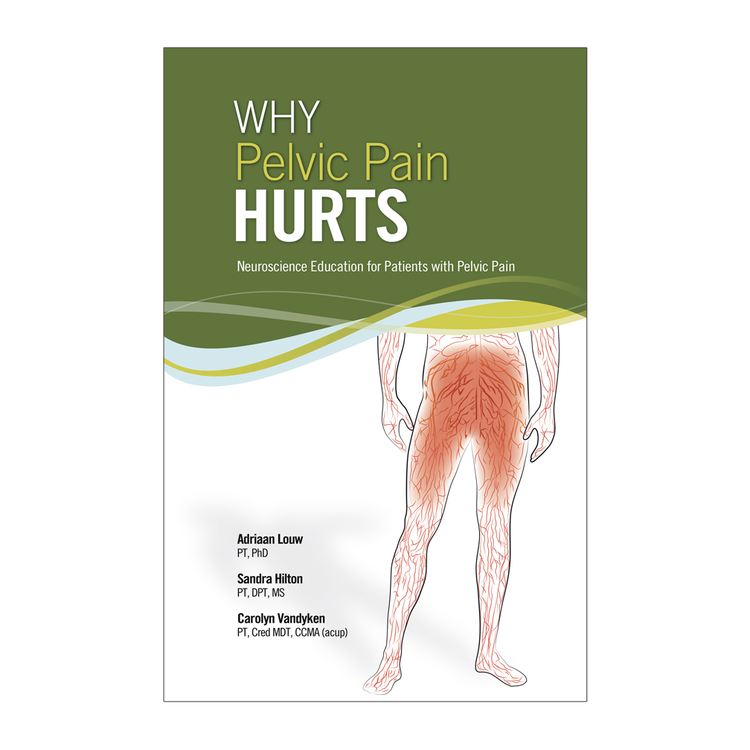
The more you know about pain, the better off you’ll be. Written by a pain neuroscience expert and pelvic pain specialists, this book teaches you the truth about your chronic pelvic pain: what it is, how the brain and nervous system collaborate to create pain, and how you can finally find relief.
Pelvic pain has orthopedic, gynecological, gastrointestinal, urological and neuropathic considerations, but these specialties all have one thing in common―the pain system. Since the issue is pelvic pain, you need to understand how pain works. This book will provide you with the education and tools to move better, function better, experience less pain and have an increased ability and interest in healthy exercise and movement.
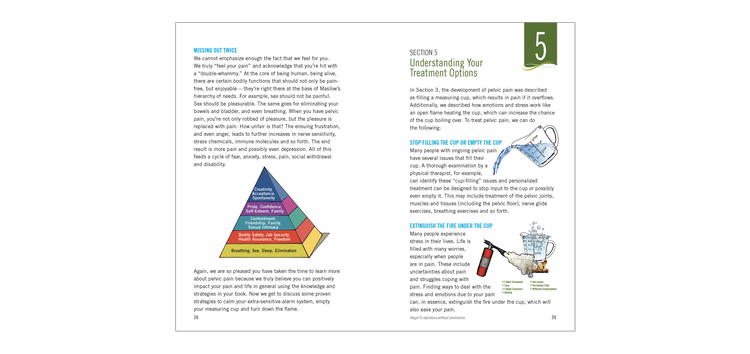
While pelvic pain covers many diagnoses and can have orthopedic, gynecological, gastrointestinal, urological and neuropathic considerations, there is one common link—the pain system. Why Pelvic Pain Hurts: Neuroscience Education for Patients with Pelvic Pain teaches you about your chronic pelvic pain: what it is, how the brain and nervous system collaborate to create pain, and how you can finally find relief.
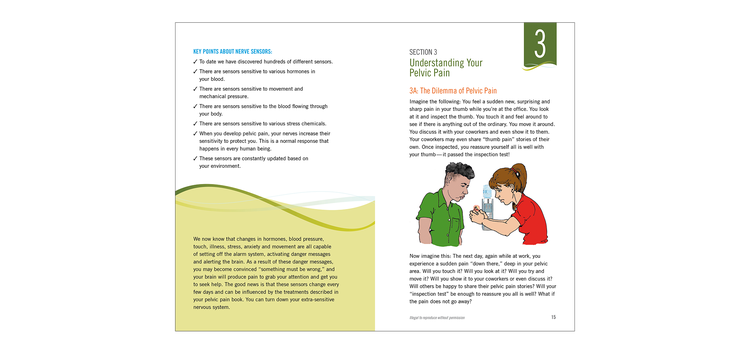
Why Pelvic Pain Hurts is written to provide:
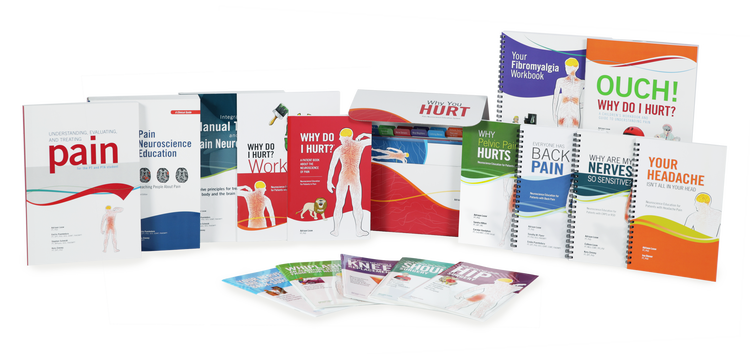

Adriaan Louw has created a series of tools that work together seamlessly, whether you’re a clinician who wants to understand pain education and how to teach your patients, or someone with chronic pain who is looking for help.

Sandra “Sandy” Hilton is a physical therapist and co-owner of Entropy Physiotherapy & Wellness. She specializes in treating men and women experiencing pelvic pain. An international speaker and instructor, Sandy educates the general public and other health professionals on pelvic pain topics.

Clinical physiotherapist with 30+ years, pelvic pain researcher and instructor, Carolyn has been teaching throughout Canada, the US and internationally since 2009. Carolyn has co-authored several articles and book chapters related to pelvic pain and pain science education.
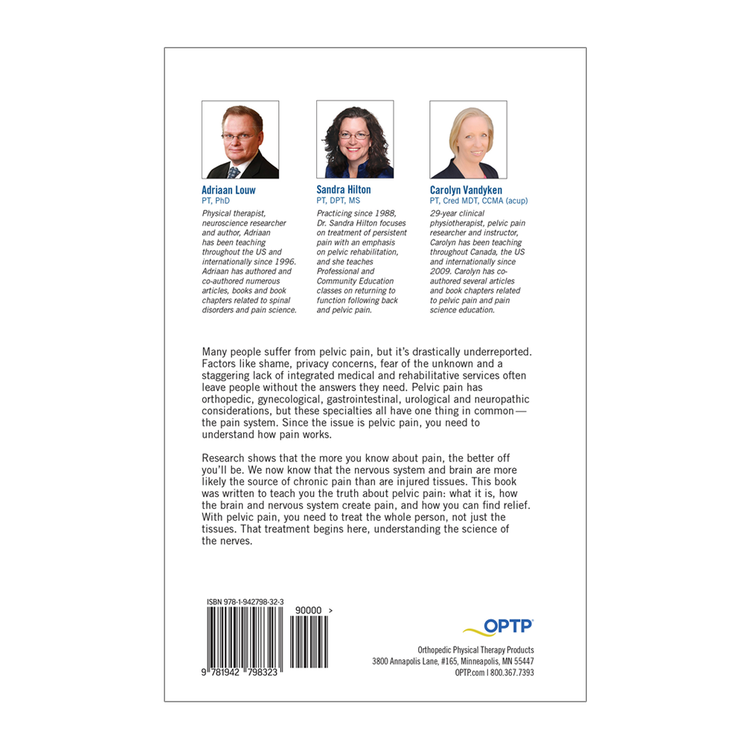
Many people suffer from pelvic pain, but it's drastically underreported. Factors like shame, privacy concerns, fear of the unknown and a staggering lack of integrated medical and rehabilitative services often leave people without the answers they need. Pelvic pain has orthopedic, gynecological, gastrointestinal, urological and neuropathic considerations, but these specialties all have one thing in common―the pain system. Since the issue is pelvic pain, you need to understand how pain works.
Research shows that the more you know about pain, the better off you'll be. We now know that the nervous system and brain are more likely the source of chronic pain than are injured tissues. This book was written to tach you the truth about pelvic pain: what it is, how the brain and nervous system create pain, and how you can find relief. With pelvic pain you need to treat the whole person, not just the tissues. That treatment begins here, understanding the science of the nerves.
The more you know about pain, the better off you’ll be. Written by a pain neuroscience expert and pelvic pain specialists, this book teaches you the truth about your chronic pelvic pain: what it is, how the brain and nervous system collaborate to create pain, and how you can finally find relief.
Pelvic pain has orthopedic, gynecological, gastrointestinal, urological and neuropathic considerations, but these specialties all have one thing in common―the pain system. Since the issue is pelvic pain, you need to understand how pain works. This book will provide you with the education and tools to move better, function better, experience less pain and have an increased ability and interest in healthy exercise and movement.
While pelvic pain covers many diagnoses and can have orthopedic, gynecological, gastrointestinal, urological and neuropathic considerations, there is one common link—the pain system. Why Pelvic Pain Hurts: Neuroscience Education for Patients with Pelvic Pain teaches you about your chronic pelvic pain: what it is, how the brain and nervous system collaborate to create pain, and how you can finally find relief.
Why Pelvic Pain Hurts is written to provide:
Adriaan Louw has created a series of tools that work together seamlessly, whether you’re a clinician who wants to understand pain education and how to teach your patients, or someone with chronic pain who is looking for help.
Sandra “Sandy” Hilton is a physical therapist and co-owner of Entropy Physiotherapy & Wellness. She specializes in treating men and women experiencing pelvic pain. An international speaker and instructor, Sandy educates the general public and other health professionals on pelvic pain topics.
Clinical physiotherapist with 30+ years, pelvic pain researcher and instructor, Carolyn has been teaching throughout Canada, the US and internationally since 2009. Carolyn has co-authored several articles and book chapters related to pelvic pain and pain science education.
Many people suffer from pelvic pain, but it's drastically underreported. Factors like shame, privacy concerns, fear of the unknown and a staggering lack of integrated medical and rehabilitative services often leave people without the answers they need. Pelvic pain has orthopedic, gynecological, gastrointestinal, urological and neuropathic considerations, but these specialties all have one thing in common―the pain system. Since the issue is pelvic pain, you need to understand how pain works.
Research shows that the more you know about pain, the better off you'll be. We now know that the nervous system and brain are more likely the source of chronic pain than are injured tissues. This book was written to tach you the truth about pelvic pain: what it is, how the brain and nervous system create pain, and how you can find relief. With pelvic pain you need to treat the whole person, not just the tissues. That treatment begins here, understanding the science of the nerves.
No products in the cart.
Continue shopping


