





Home
Home
Written by physical therapist Deborah B. Riczo, this book contains three sections and provides basic education, screening guidelines and exercises for those affected by sacroiliac dysfunction.
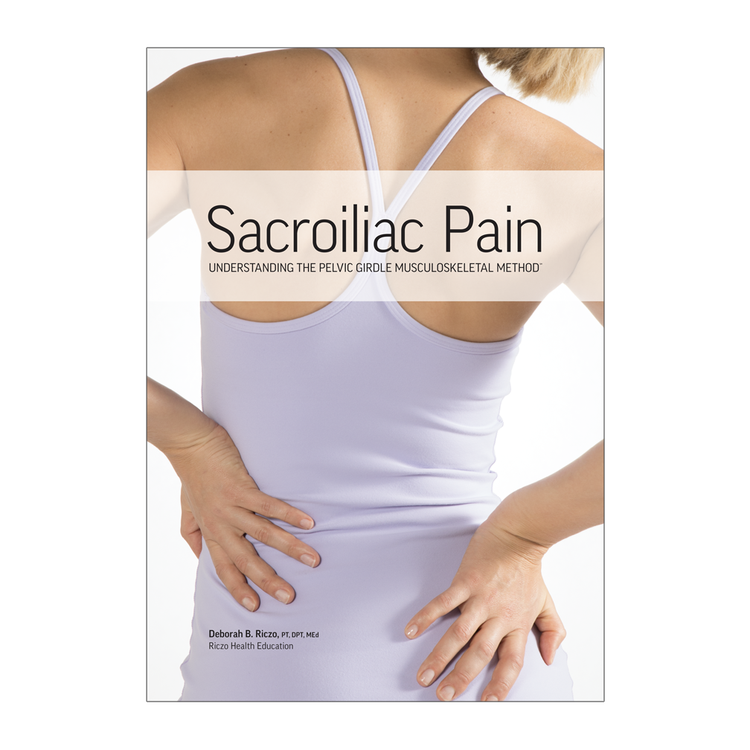
The book details a program called the Pelvic Girdle Musculoskeletal MethodSM, which was created by author Deborah Riczo, following more than 35 years of clinical practice and working with patients experiencing sacroiliac dysfunction and pain. This holistic approach will help you monitor your own signs and symptoms and address them in a logical, sequential fashion. You’ll learn what’s going on in your body, screening guidelines, and exercises that focus on improving muscle imbalances and weakness.
Pain caused by sacroiliac dysfunction can vary from day to day and week to week, having highs and lows and can even change sides of the body. With this book, you will have the education and tools to identify, monitor and treat sacroiliac dysfunction safely and effectively.
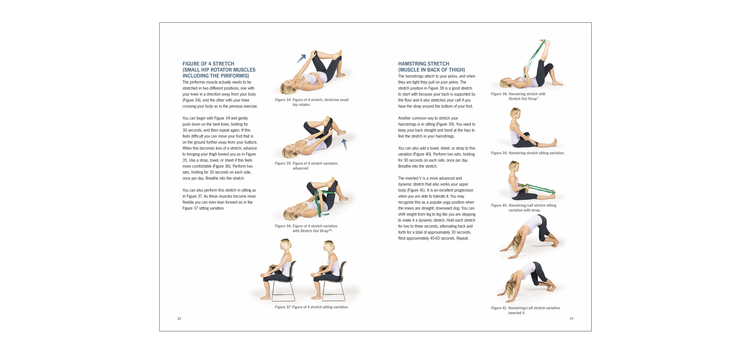

Since 2000, Deborah has specialized in helping patients manage sacroiliac and pelvic girdle pain. She developed the Pelvic Girdle Musculoskeletal Method (PGM Method), an evidence-based program that provides a simple step-by-step approach to treating sacroiliac and pelvic girdle pain. Since 2011, Deborah has educated other practitioners on the PGM Method through physical therapy continuing education courses and presentations at state, national and international conferences, as well as doctoral programs. Deborah has written two self-treatment books based on this method and continues to provide patient education through social media.

Sacroiliac Pain, Understanding the Pelvic Girdle Musculoskeletal Method is designed to help improve muscle imbalances by providing a simple approach to addressing sacroiliac pain.
The first section provides background on recognizing sacroiliac pain. Topics include common causes of sacroiliac pain; muscles, joints, and ligaments that are often involved: and how pain and fear of movement results in decreased function and increased pain.
The second section is dedicated to the Pelvic Girdle Musculoskeletal Method and provides step-by-step instructions for exercises with supporting video links. Additional stretching exercises are included. Instruction on breathing as well as its importance in relaxation and pain management is emphasized, along with mindfulness. Tips on beginning a walking program and progression to other forms of exercise are also included.
The third section provides additional education regarding use of a sacroiliac belt and other frequently asked questions. An exercise planner is also included for logging workouts, giving you everything you need for improving function, fitness and wellness.
Written by physical therapist Deborah B. Riczo, this book contains three sections and provides basic education, screening guidelines and exercises for those affected by sacroiliac dysfunction.
The book details a program called the Pelvic Girdle Musculoskeletal MethodSM, which was created by author Deborah Riczo, following more than 35 years of clinical practice and working with patients experiencing sacroiliac dysfunction and pain. This holistic approach will help you monitor your own signs and symptoms and address them in a logical, sequential fashion. You’ll learn what’s going on in your body, screening guidelines, and exercises that focus on improving muscle imbalances and weakness.
Pain caused by sacroiliac dysfunction can vary from day to day and week to week, having highs and lows and can even change sides of the body. With this book, you will have the education and tools to identify, monitor and treat sacroiliac dysfunction safely and effectively.
Since 2000, Deborah has specialized in helping patients manage sacroiliac and pelvic girdle pain. She developed the Pelvic Girdle Musculoskeletal Method (PGM Method), an evidence-based program that provides a simple step-by-step approach to treating sacroiliac and pelvic girdle pain. Since 2011, Deborah has educated other practitioners on the PGM Method through physical therapy continuing education courses and presentations at state, national and international conferences, as well as doctoral programs. Deborah has written two self-treatment books based on this method and continues to provide patient education through social media.
Sacroiliac Pain, Understanding the Pelvic Girdle Musculoskeletal Method is designed to help improve muscle imbalances by providing a simple approach to addressing sacroiliac pain.
The first section provides background on recognizing sacroiliac pain. Topics include common causes of sacroiliac pain; muscles, joints, and ligaments that are often involved: and how pain and fear of movement results in decreased function and increased pain.
The second section is dedicated to the Pelvic Girdle Musculoskeletal Method and provides step-by-step instructions for exercises with supporting video links. Additional stretching exercises are included. Instruction on breathing as well as its importance in relaxation and pain management is emphasized, along with mindfulness. Tips on beginning a walking program and progression to other forms of exercise are also included.
The third section provides additional education regarding use of a sacroiliac belt and other frequently asked questions. An exercise planner is also included for logging workouts, giving you everything you need for improving function, fitness and wellness.
No products in the cart.
Continue shopping


