


Home
Home
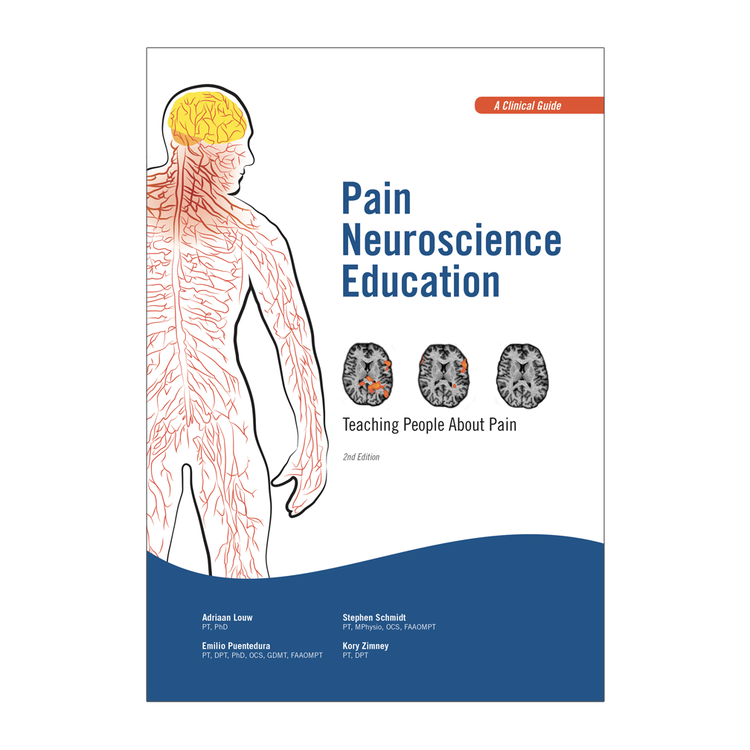
Evidence shows that patients who better understand their pain and what pain truly is experience less pain, have less fear, move better, exercise more and can regain hope. This physical therapy textbook explains how to teach your patients about pain and how to integrate pain neuroscience education into your practice. Written by clinicians for clinicians, the revised second edition of this physical therapy book contains significant updates and new content presented in a way that is relevant and readily applicable to real-world clinical settings. Also available as an eBook.
The authors deliver an evidence-based perspective on how the body and brain work together to create pain, teach how to convey this new view of pain to patients in a way that’s easily understood and internalized, and demonstrate how to successfully integrate pain neuroscience education into a practice.
This textbook and clinical guide is not only the perfect way to introduce students to the evidence base and application of pain neuroscience education, but also helps clinicians productively treat chronic pain instead of just managing it.
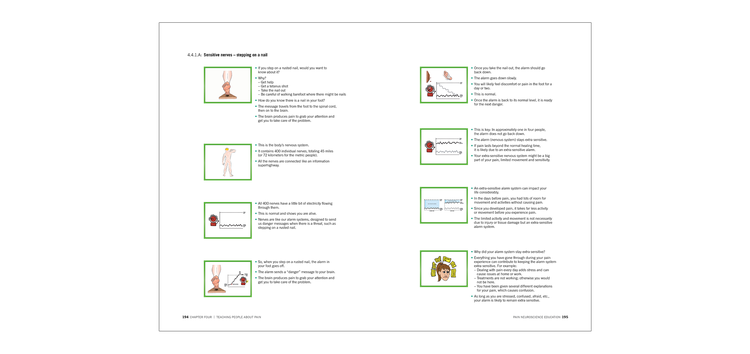
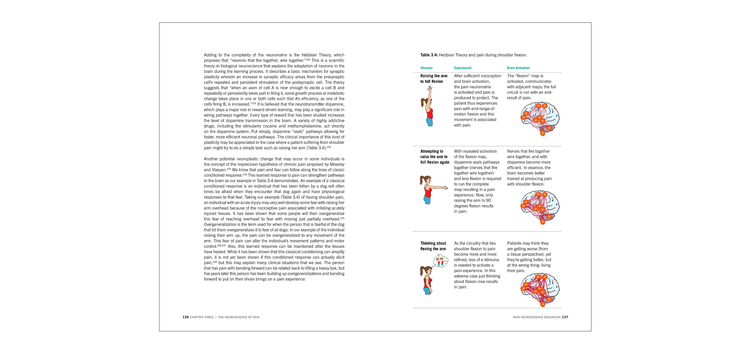
The revised 2nd edition of this clinical guide contains significant updates and new content, explaining how to teach your patients about pain and integrate pain neuroscience education into your practice. This textbook introduces students to the evidence base and application of pain neuroscience education, and also provides clinicians with treatment information about chronic pain instead of just managing it.
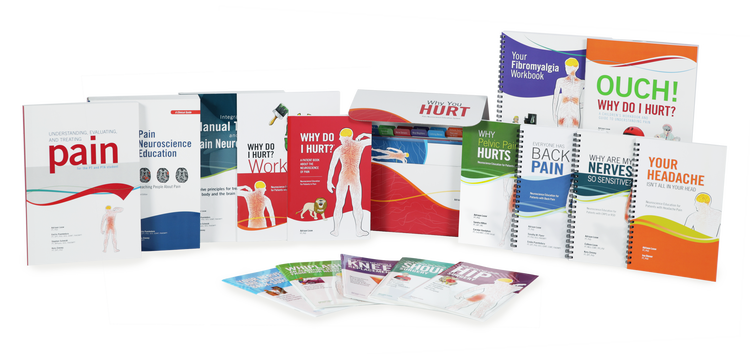

Adriaan Louw has created a series of tools that work together seamlessly, whether you’re a clinician who wants to understand pain education and how to teach your patients, or someone with chronic pain who is looking for help.
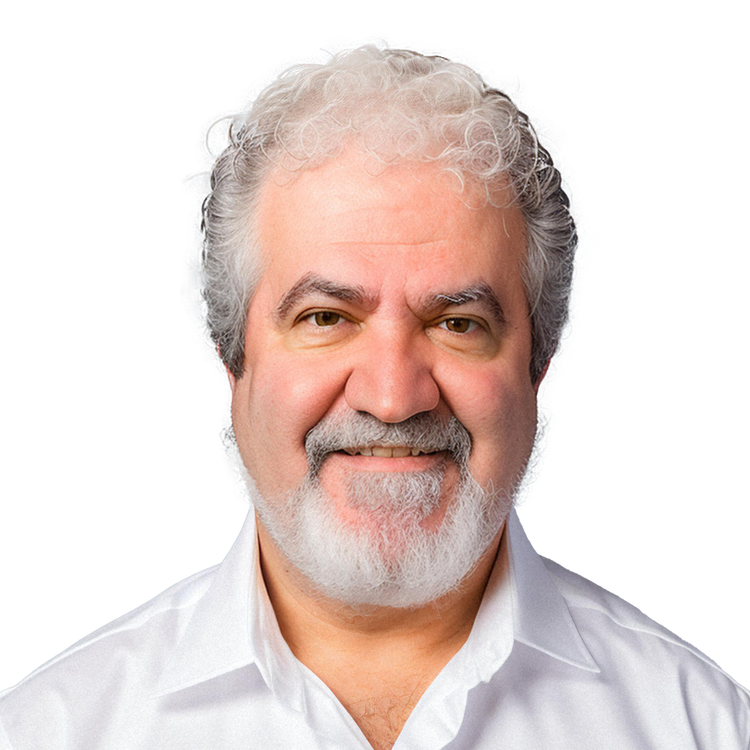
Emilio, who is also knowns as “Louie,” has been involved in orthopedic manual therapy and neurodynamics for more than 39 years, working in outpatient settings with a focus on spinal conditions, and presenting seminars on the various approaches to manipulative therapy. Following a long tenure at the University of Nevada, Las Vegas, he is now Clinical Professor of Baylor University’s DPT program.

Steve is a physical therapist with more than 25 years of experience treating patients with persistent pain, neurological disorders and musculoskeletal problems. He is a faculty member for the Kaiser Vallejo PNF program, a senior faculty member for the International Spine and Pain Institute and has taught numerous national and international seminars on pain neuroscience education.

Kory has been a physical therapist for more than 25 years, working primarily in orthopedics. In 2013, he became a full-time faculty member at the University of South Dakota where he teaches courses related to rehab neuroscience, spine, and evidence-based practice. He is also a senior faculty member with the International Spine and Pain Institute.
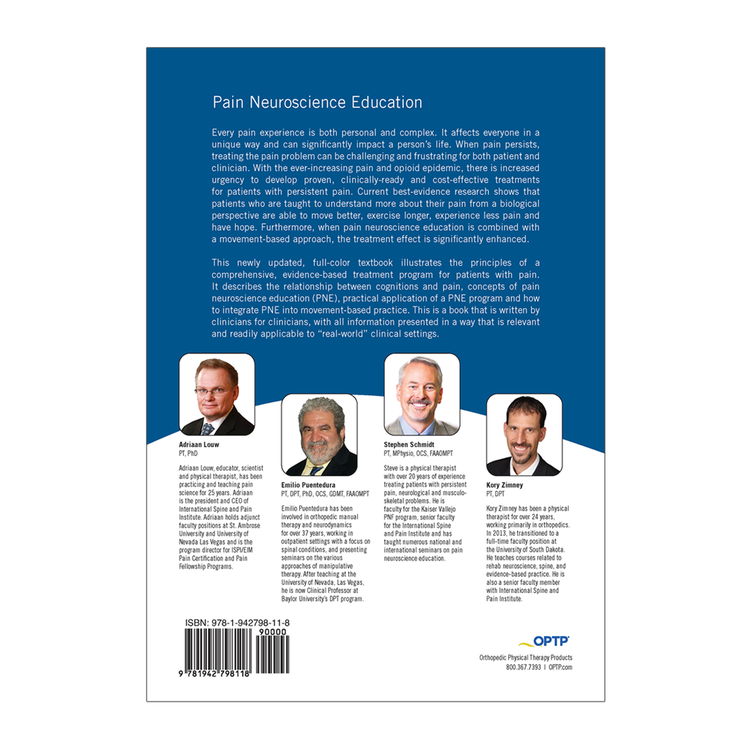
Every pain experience is both personal and complex. It affects everyone in a unique way and can significantly impact a person’s life. When pain persists, treating the pain problem can be challenging and frustrating for both patient and clinician. With the ever-increasing pain and opioid epidemic, there is increased urgency to develop proven, clinically-ready and cost-effective treatments for patients with persistent pain. Current best-evidence research shows that patients who are taught to understand more about their pain from a biological perspective are able to move better, exercise longer, experience less pain and have hope. Furthermore, when pain neuroscience education is combined with a movement-based approach, the treatment effect is significantly enhanced.
This newly updated, full-color textbook illustrates the principles of a comprehensive, evidence-based treatment program for patients with pain. It describes the relationship between cognitions and pain, concepts of pain neuroscience education (PNE), practical application of a PNE program and how to integrate PNE into movement-based practice. This is a book that is written by clinicians for clinicians, with all information presented in a way that is relevant and readily applicable to “real-world” clinical settings.
Evidence shows that patients who better understand their pain and what pain truly is experience less pain, have less fear, move better, exercise more and can regain hope. This physical therapy textbook explains how to teach your patients about pain and how to integrate pain neuroscience education into your practice. Written by clinicians for clinicians, the revised second edition of this physical therapy book contains significant updates and new content presented in a way that is relevant and readily applicable to real-world clinical settings. Also available as an eBook.
The authors deliver an evidence-based perspective on how the body and brain work together to create pain, teach how to convey this new view of pain to patients in a way that’s easily understood and internalized, and demonstrate how to successfully integrate pain neuroscience education into a practice.
This textbook and clinical guide is not only the perfect way to introduce students to the evidence base and application of pain neuroscience education, but also helps clinicians productively treat chronic pain instead of just managing it.
The revised 2nd edition of this clinical guide contains significant updates and new content, explaining how to teach your patients about pain and integrate pain neuroscience education into your practice. This textbook introduces students to the evidence base and application of pain neuroscience education, and also provides clinicians with treatment information about chronic pain instead of just managing it.
Adriaan Louw has created a series of tools that work together seamlessly, whether you’re a clinician who wants to understand pain education and how to teach your patients, or someone with chronic pain who is looking for help.
Emilio, who is also knowns as “Louie,” has been involved in orthopedic manual therapy and neurodynamics for more than 39 years, working in outpatient settings with a focus on spinal conditions, and presenting seminars on the various approaches to manipulative therapy. Following a long tenure at the University of Nevada, Las Vegas, he is now Clinical Professor of Baylor University’s DPT program.
Steve is a physical therapist with more than 25 years of experience treating patients with persistent pain, neurological disorders and musculoskeletal problems. He is a faculty member for the Kaiser Vallejo PNF program, a senior faculty member for the International Spine and Pain Institute and has taught numerous national and international seminars on pain neuroscience education.
Kory has been a physical therapist for more than 25 years, working primarily in orthopedics. In 2013, he became a full-time faculty member at the University of South Dakota where he teaches courses related to rehab neuroscience, spine, and evidence-based practice. He is also a senior faculty member with the International Spine and Pain Institute.
Every pain experience is both personal and complex. It affects everyone in a unique way and can significantly impact a person’s life. When pain persists, treating the pain problem can be challenging and frustrating for both patient and clinician. With the ever-increasing pain and opioid epidemic, there is increased urgency to develop proven, clinically-ready and cost-effective treatments for patients with persistent pain. Current best-evidence research shows that patients who are taught to understand more about their pain from a biological perspective are able to move better, exercise longer, experience less pain and have hope. Furthermore, when pain neuroscience education is combined with a movement-based approach, the treatment effect is significantly enhanced.
This newly updated, full-color textbook illustrates the principles of a comprehensive, evidence-based treatment program for patients with pain. It describes the relationship between cognitions and pain, concepts of pain neuroscience education (PNE), practical application of a PNE program and how to integrate PNE into movement-based practice. This is a book that is written by clinicians for clinicians, with all information presented in a way that is relevant and readily applicable to “real-world” clinical settings.
No products in the cart.
Continue shopping


