


Home
Home
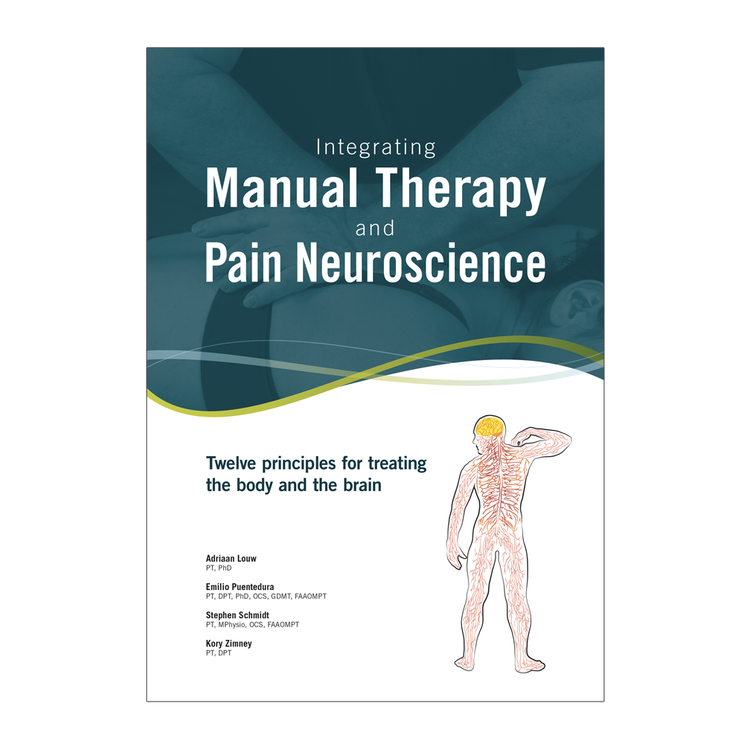
This new first-of-its-kind text shows how the integration of manual therapy and pain science can help clinicians provide better treatment and improve patient outcomes. Of all the books about neuroscience, no other book is quite like this one. Complete with current research, this pain science and manual therapy book uses 12 principles of treatment to show how concepts like hypoalgesia, placebo, neuroplasticity, sensory discrimination, body schema, and therapeutic alliance can powerfully influence the outcome of manual techniques. Available in paperback and eBook.
For physical therapy students and practicing clinicians alike, this book can help practitioners meet the many challenges modern therapists face while discovering new techniques for clinical pain management and improving patient outcomes.
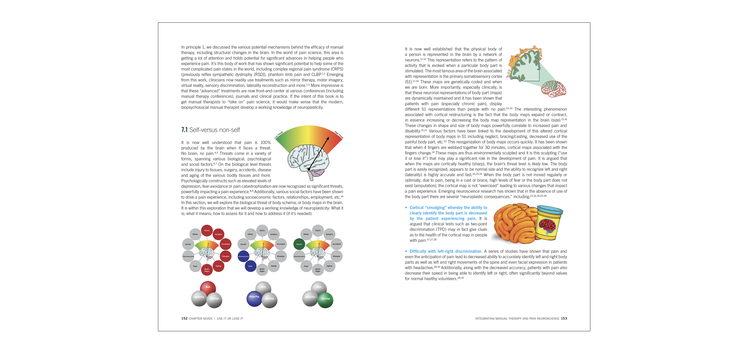
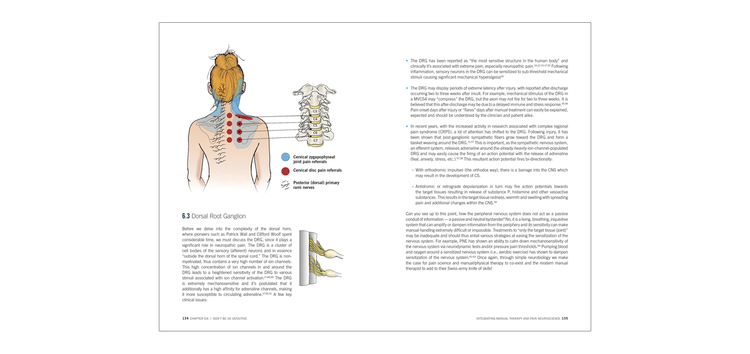
Written by four renowned physical therapists and pain neuroscientists, this book provides techniques that combine manual therapy and pain neuroscience to help practitioners meet the many challenges modern therapists face by treating the body and the brain.
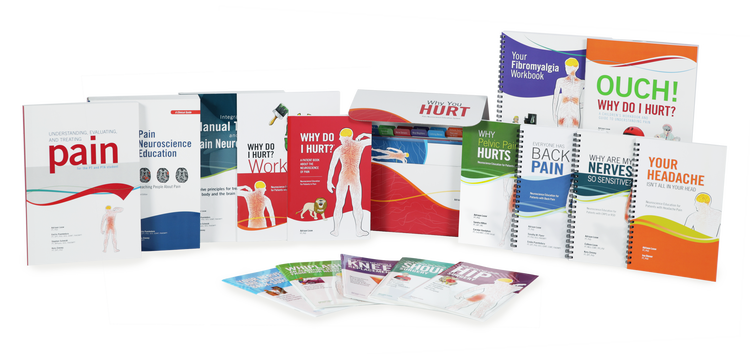

Adriaan Louw has created a series of tools that work together seamlessly, whether you’re a clinician who wants to understand pain education and how to teach your patients, or someone with chronic pain who is looking for help.
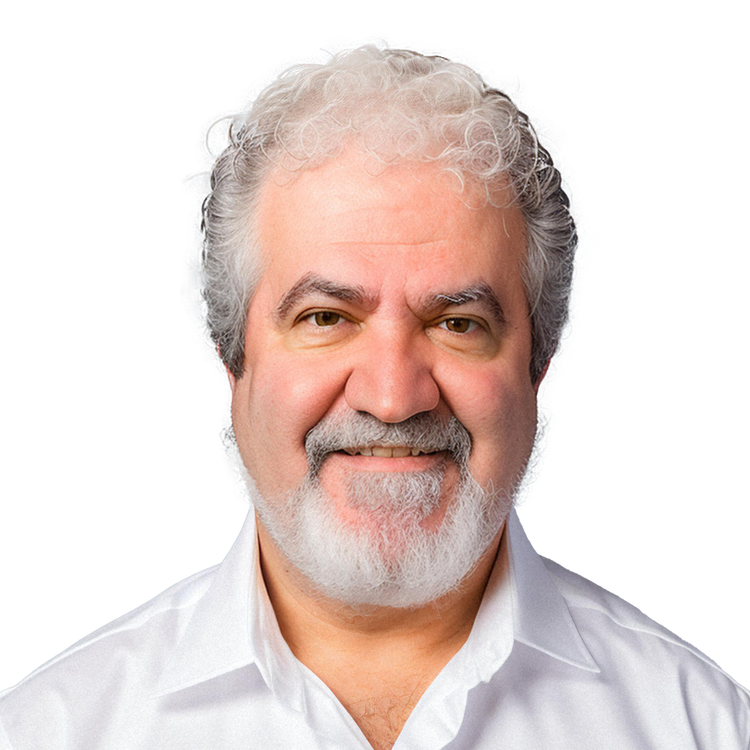
Emilio, who is also knowns as “Louie,” has been involved in orthopedic manual therapy and neurodynamics for more than 39 years, working in outpatient settings with a focus on spinal conditions, and presenting seminars on the various approaches to manipulative therapy. Following a long tenure at the University of Nevada, Las Vegas, he is now Clinical Professor of Baylor University’s DPT program.

Steve is a physical therapist with more than 25 years of experience treating patients with persistent pain, neurological disorders and musculoskeletal problems. He is a faculty member for the Kaiser Vallejo PNF program, a senior faculty member for the International Spine and Pain Institute and has taught numerous national and international seminars on pain neuroscience education.

Kory has been a physical therapist for more than 25 years, working primarily in orthopedics. He is currently director of the PhD in Health Sciences program and an associate professor in the Health Science Physical Therapy Department at the University of South Dakota where he is part of several groups that conduct research on pain neuroscience education and therapeutic alliance.

The modern clinician faces more challenges than ever before, including a worldwide pain epidemic and skepticism among critics about the efficacy of hands-on treatments. This first-of-its-kind text, for beginning and experienced clinicians, demonstrates that pain science and manual therapy are not mutually exclusive―they work better together. Clinicians who understand this and adopt techniques that combine the two are better prepared to help patients, especially the millions suffering from chronic pain.
Broken down into 12 principles, the book delves into concepts like clinical reasoning, nociception, neuroplasticity, therapeutic alliance, psychosocial factors and additional treatments to complement hands-on therapy―showing how the implementation of these concepts can contribute to successful outcomes.
This text is informed by more than 100 years of combined experience between four world-renowned therapists and pain science experts. Filled with examples, recent research, and pearls of wisdom, the book was written to help clinicians overcome the challenges they face and influence treatment outcomes by treating the body AND the brain.
This new first-of-its-kind text shows how the integration of manual therapy and pain science can help clinicians provide better treatment and improve patient outcomes. Of all the books about neuroscience, no other book is quite like this one. Complete with current research, this pain science and manual therapy book uses 12 principles of treatment to show how concepts like hypoalgesia, placebo, neuroplasticity, sensory discrimination, body schema, and therapeutic alliance can powerfully influence the outcome of manual techniques. Available in paperback and eBook.
For physical therapy students and practicing clinicians alike, this book can help practitioners meet the many challenges modern therapists face while discovering new techniques for clinical pain management and improving patient outcomes.
Written by four renowned physical therapists and pain neuroscientists, this book provides techniques that combine manual therapy and pain neuroscience to help practitioners meet the many challenges modern therapists face by treating the body and the brain.
Adriaan Louw has created a series of tools that work together seamlessly, whether you’re a clinician who wants to understand pain education and how to teach your patients, or someone with chronic pain who is looking for help.
Emilio, who is also knowns as “Louie,” has been involved in orthopedic manual therapy and neurodynamics for more than 39 years, working in outpatient settings with a focus on spinal conditions, and presenting seminars on the various approaches to manipulative therapy. Following a long tenure at the University of Nevada, Las Vegas, he is now Clinical Professor of Baylor University’s DPT program.
Steve is a physical therapist with more than 25 years of experience treating patients with persistent pain, neurological disorders and musculoskeletal problems. He is a faculty member for the Kaiser Vallejo PNF program, a senior faculty member for the International Spine and Pain Institute and has taught numerous national and international seminars on pain neuroscience education.
Kory has been a physical therapist for more than 25 years, working primarily in orthopedics. He is currently director of the PhD in Health Sciences program and an associate professor in the Health Science Physical Therapy Department at the University of South Dakota where he is part of several groups that conduct research on pain neuroscience education and therapeutic alliance.
The modern clinician faces more challenges than ever before, including a worldwide pain epidemic and skepticism among critics about the efficacy of hands-on treatments. This first-of-its-kind text, for beginning and experienced clinicians, demonstrates that pain science and manual therapy are not mutually exclusive―they work better together. Clinicians who understand this and adopt techniques that combine the two are better prepared to help patients, especially the millions suffering from chronic pain.
Broken down into 12 principles, the book delves into concepts like clinical reasoning, nociception, neuroplasticity, therapeutic alliance, psychosocial factors and additional treatments to complement hands-on therapy―showing how the implementation of these concepts can contribute to successful outcomes.
This text is informed by more than 100 years of combined experience between four world-renowned therapists and pain science experts. Filled with examples, recent research, and pearls of wisdom, the book was written to help clinicians overcome the challenges they face and influence treatment outcomes by treating the body AND the brain.
No products in the cart.
Continue shopping


